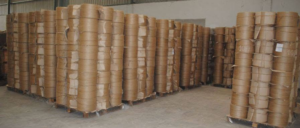
A standard 20ft shipping container can typically accommodate 24,000 to 28,000 empty jute bags, depending on the bag size, fabric weight, bale compression, and loading method. Proper packing and compression help maximize container capacity while ensuring safe international transportation.
Introduction
Efficient container planning plays a vital role in reducing shipping costs and improving supply chain performance. Whether you’re importing packaging materials or exporting agricultural products, knowing how many empty jute bags fit into a 20ft container helps optimize freight expenses and inventory planning.
At Jute World Exports, we supply premium-quality jute bags worldwide and help buyers maximize container utilization through professional packaging and export solutions.
Standard Capacity of a 20ft Container
A standard 20ft container offers approximately:
| Specification | Measurement |
|---|---|
| Internal Length | 5.9 m |
| Internal Width | 2.35 m |
| Internal Height | 2.39 m |
| Internal Volume | Around 33 CBM |
| Maximum Gross Weight | Approximately 30,480 kg |
For lightweight products like empty jute bags, available space (volume) becomes the primary limitation rather than weight.
How Many Empty Jute Bags Can Fit?
The actual quantity depends on several factors, but the typical loading capacity is:
- Standard Jute Bags: 26,000–28,000 pieces
- Heavy-Duty or Food-Grade Bags: 24,000–26,000 pieces
- Custom Printed Bags: Capacity may vary depending on fabric thickness and packaging.
These figures are based on professionally compressed bales loaded directly into the container.
Factors That Affect Container Capacity
Several elements influence how many bags can be loaded:
Bag Size
Larger bags require more storage space, reducing the overall quantity that fits inside the container.
Fabric Weight
Heavy GSM fabrics occupy more volume than lightweight alternatives, affecting total capacity.
Bale Compression
Hydraulic compression significantly reduces storage volume, allowing more bags to be loaded safely.
Loading Method
Well-organized floor loading improves space utilization and helps prevent movement during transportation.
Professional Packing for Maximum Efficiency
To optimize international shipments, empty jute bags are packed into tightly compressed bales before loading.
This method offers several advantages:
- Better space utilization
- Reduced freight cost per unit
- Improved cargo stability
- Easier handling during loading and unloading
- Lower risk of transportation damage
Professional bale packing also helps maintain product quality throughout long-distance shipping.
Why Choose Jute World Exports?
Jute World Exports supplies high-quality jute bags for importers, wholesalers, retailers, and manufacturers worldwide. Every shipment is carefully packed to maximize container capacity while maintaining product quality and export standards.
Our team ensures:
- Premium-quality jute products
- Professional export packaging
- Reliable global shipping support
- Timely order fulfillment
- Custom sizes and branding options
Conclusion
A 20ft shipping container generally holds 24,000 to 28,000 empty jute bags, depending on bag specifications and packing methods. By using compressed bale packaging and efficient loading techniques, businesses can reduce shipping costs while maximizing container utilization.
If you’re looking for a trusted jute bag manufacturer and exporter in Bangladesh, Jute World Exports provides reliable products, customized packaging solutions, and worldwide shipping support to meet your business needs.